

Classification by Tentacle Number
Hexacorallia
Characteristics: Possess hard calcium carbonate skeletons, mostly reef-building; sensitive to changes in light and temperature, primarily distributed in tropical shallow seas; coral polyps typically have
tentacles in multiples of six, with complex structures; symbiotic with zooxanthellae, relying on photosynthesis for energy supplementation.
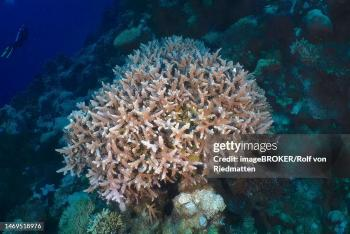
Staghorn Coral |
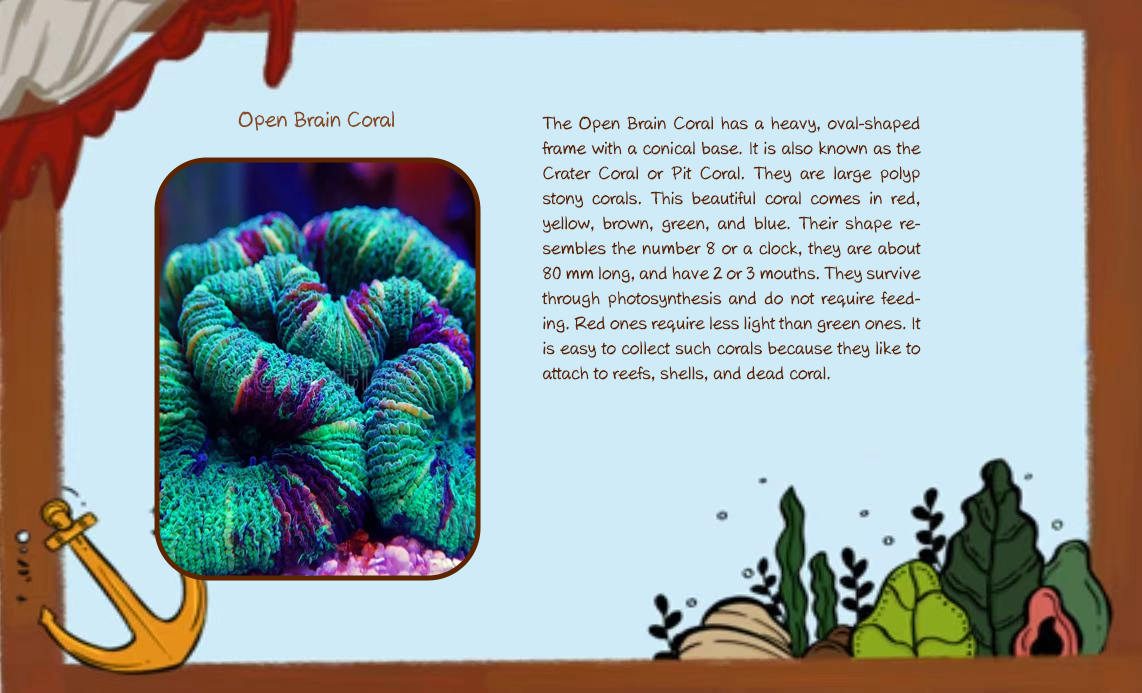
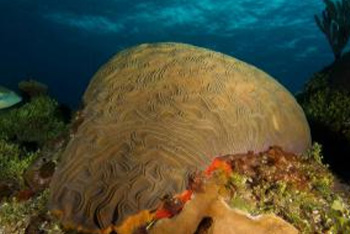
Brain Coral |
Octocorallia
Characteristics: Soft and flexible skeletons supported by keratinous spicules; primarily filter-feed on plankton; widely distributed, found from intertidal zones to deep-sea hydrothermal vents; coral polyps have eight pinnate tentacles, exhibiting elegant forms.
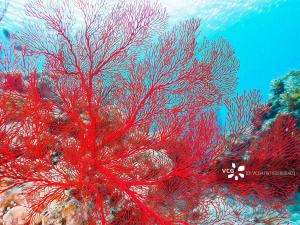
Gorgonian
Classification by Skeletal Structure
Hard Corals (Reef-Building Corals)
Characteristics: Possess hard calcium carbonate exoskeletons and are the primary builders of coral reefs; form close symbiotic relationships with zooxanthellae, relying on photosynthesis for energy;
extremely sensitive to water purity and temperature changes, serving as indicator species for the marine environment.
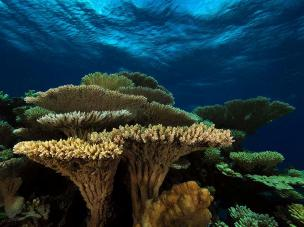
Table Coral
Soft Corals
Characteristics: Do not secrete calcium carbonate skeletons, relying on internal spicules for support; actively prey on plankton using ciliated tentacles; exhibit soft and diverse forms, often showing rich
color variations; possess strong environmental adaptability.
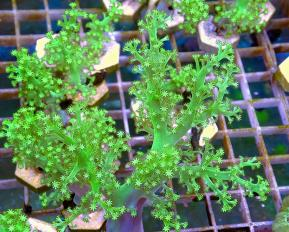
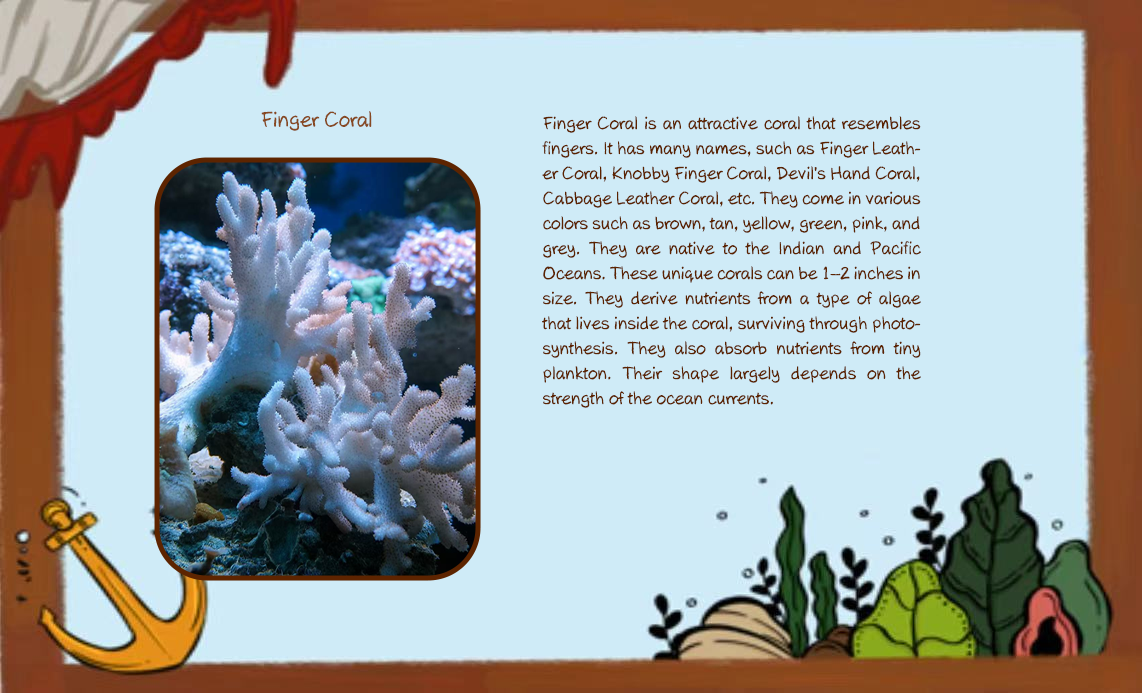
Dendronephthy
Classification by Habitat
Shallow-Water Corals
Characteristics: Survival depends on ample sunlight and warm water environments; relatively fast growth rate, with annual growth reaching several centimeters; play a crucial role in the marine ecosystem, providing habitat and shelter for numerous marine organisms.
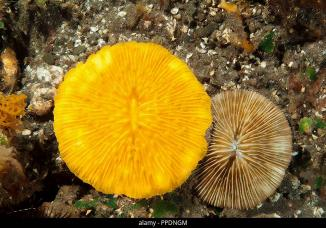
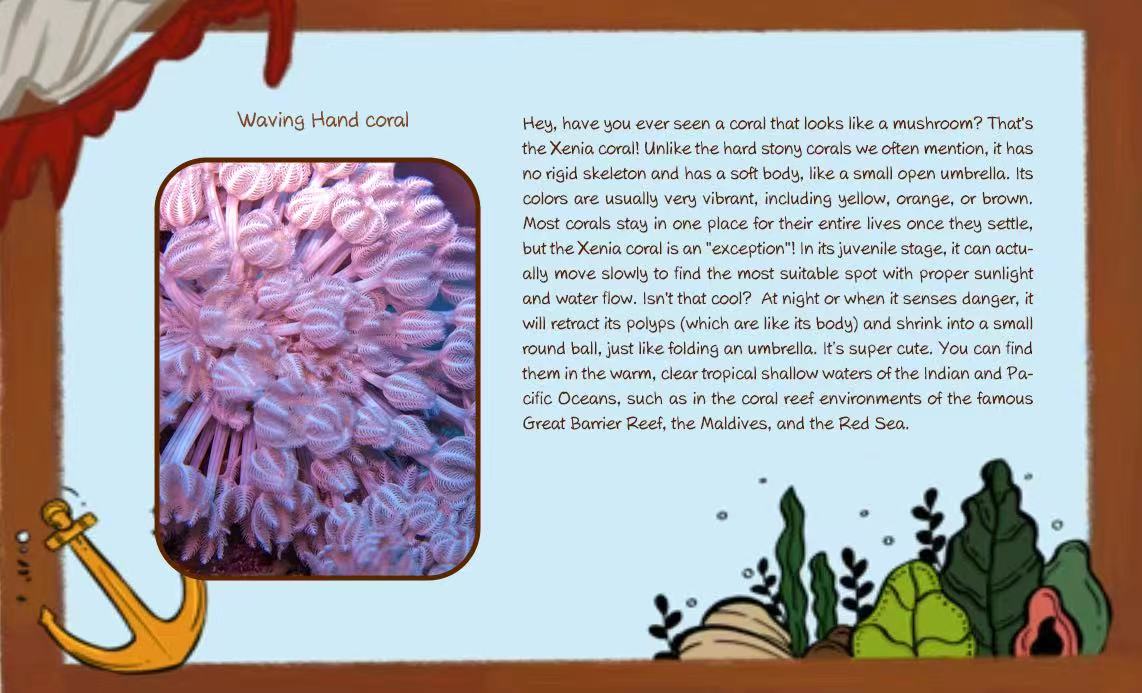
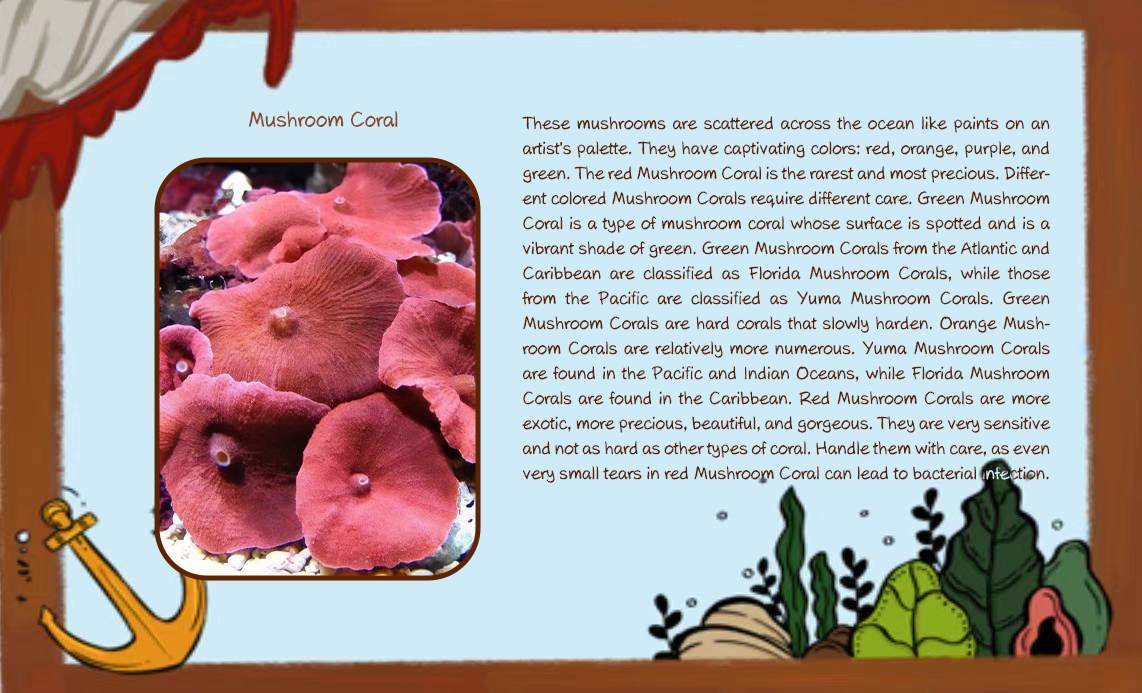
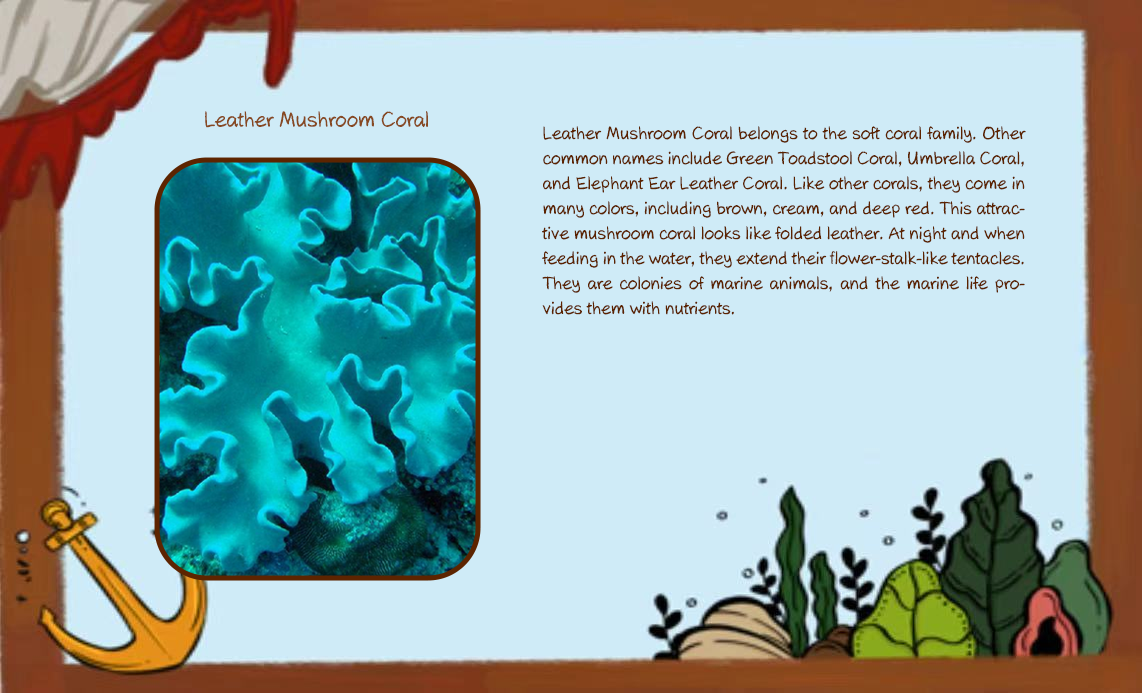
Mushroom Coral
Deep-Sea Corals
Characteristics: Do not rely on photosynthesis, obtaining energy by filtering organic detritus and plankton; tolerant of extreme environments with low temperatures and high pressure; extremely slow growth, growing only a few millimeters per year; loose skeletal structure with peculiar forms.
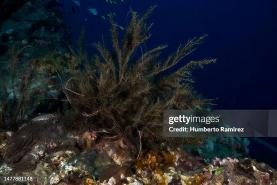
Black Coral
Classification by Gemological Properties
Calcareous Corals
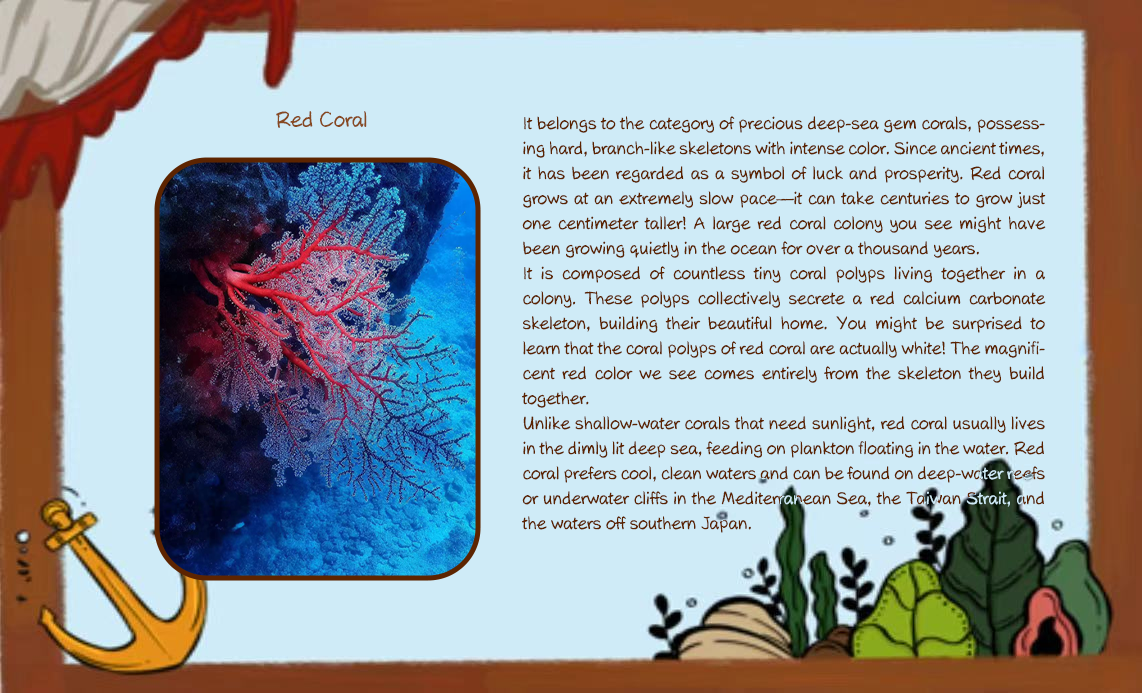
Characteristics: Bright and saturated colors, with a rich spectrum from deep red to pinkish-white; hard and dense texture, with a Mohs hardness of 3-4; since ancient times, have been regarded as precious organic gems, widely used in jewelry making and artistic carving.
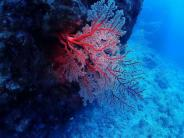
Red Coral (Corallium rubrum)
Corneous Corals
Characteristics: Flexible and elastic texture, capable of bending to a certain extent; deep and restrained colors, primarily black and gold; suitable for creating exquisite ornaments such as cameos and beads, possessing unique artistic value.
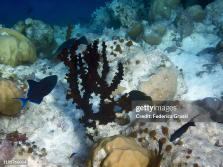
Black Coral (Antipatharia)
Summary
The classification system of corals is rich and diverse. Different classification methods complement each other, collectively building a comprehensive understanding of coral diversity and ecological functions. As marine environmental changes intensify, strengthening the protection of corals and their habitats is of paramount importance for maintaining marine ecological balance and biodiversity.a